Tennis
How Court Position Decides Rally Length
Where a player stands to receive the ball sets the geometry of the rally, and small changes in depth alter how many shots a point is likely to last.
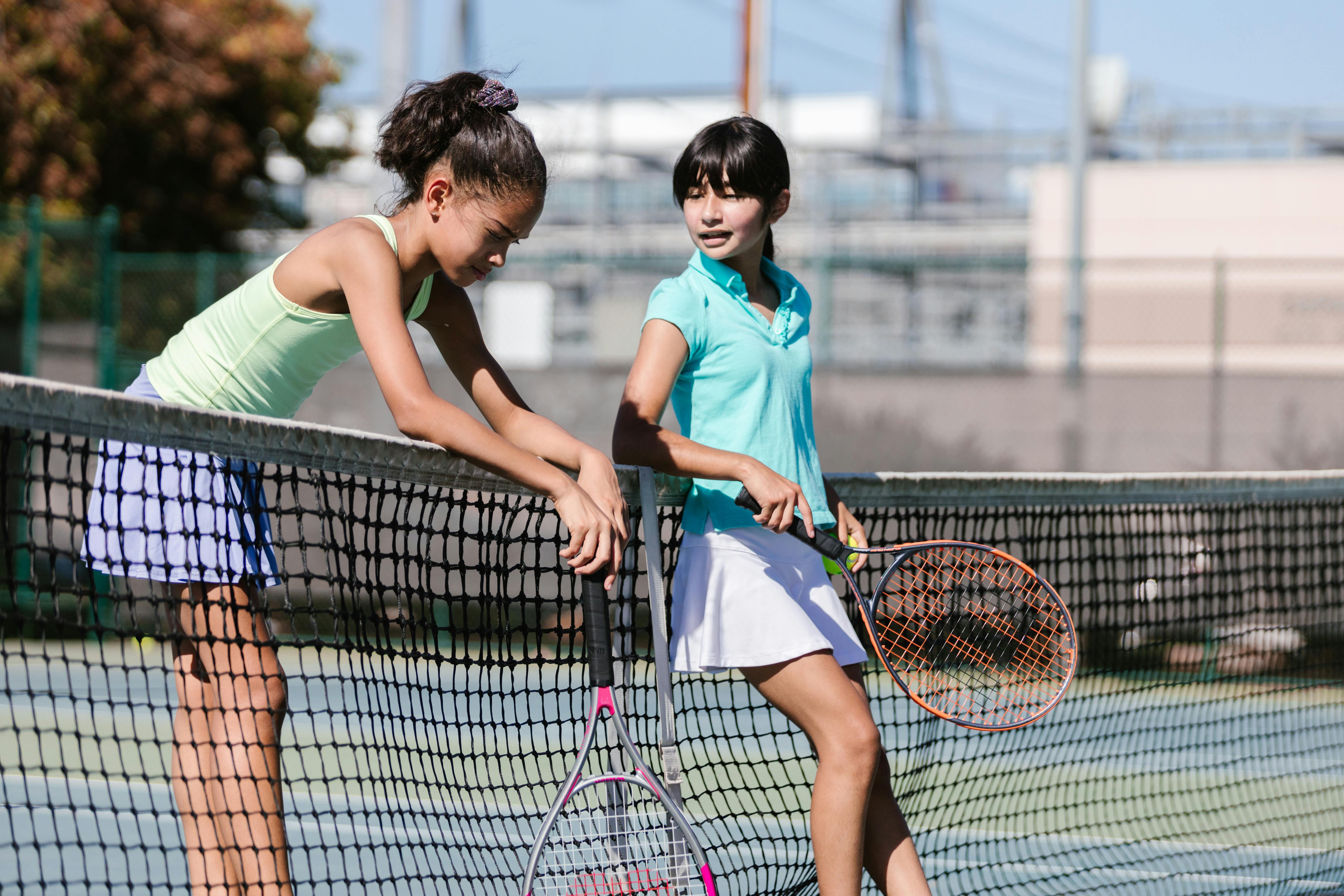
Rally length is often described as a matter of style. It is mostly determined by where the two players choose to stand, which is a coachable decision.
Distance from the baseline changes the angles available
A player standing two metres behind the baseline receives the ball after it has travelled further, which means the angle it arrives at has widened and it must be chased further sideways.
That same position makes it harder to hit sharp angles in return, because the extra distance to the net reduces the geometry available for a cross-court shot.
Deep positioning therefore produces longer rallies almost mechanically: neither player can create the angle needed to move the other off the court decisively.
Taking the ball early compresses time
A player who stands on or inside the baseline meets the ball earlier in its flight, which removes recovery time from the opponent even without hitting harder.
The same shot struck from a metre further forward arrives sooner, and the opponent's preparation window shrinks by a fraction that compounds across several shots.
Rallies from that position are shorter because errors accumulate faster, both from the pressured opponent and from the player accepting a more difficult contact point.
Surface sets the default
Clay slows the ball and raises the bounce, which pushes players back and makes the early-contact position physically difficult to sustain across a match.
Faster surfaces reward standing closer, since the low bounce means a deep position leaves the player taking the ball below the ideal height.
The characteristic rally lengths of different surfaces are therefore a consequence of court position, which is itself a consequence of bounce and speed.
Recovery position matters as much as contact position
After hitting, a player returns to a spot that bisects the opponent's possible angles, and that spot moves depending on where the opponent is standing.
A player who recovers to the centre mark regardless of the situation will be out of position against a wide ball struck from a wide position.
Coaches spend considerable time on this, because a well-chosen recovery position reduces the distance covered per shot and makes long rallies survivable.
Changing position mid-rally is a tactic in itself
Players frequently step in after forcing a short reply, converting a neutral rally into an attacking one without any change in shot quality.
The reverse also occurs, with a player retreating deliberately to extend rallies against an opponent whose game depends on finishing points quickly.
Reading those shifts is part of match management, and a player who fails to notice an opponent moving forward will keep feeding balls into an increasingly aggressive position.


