IPL 2026
Why Boundary Dimensions Dictate Field Settings
Grounds with uneven boundary lengths force captains to defend one side differently from the other, and batting sides plan their scoring around the shorter square boundary.
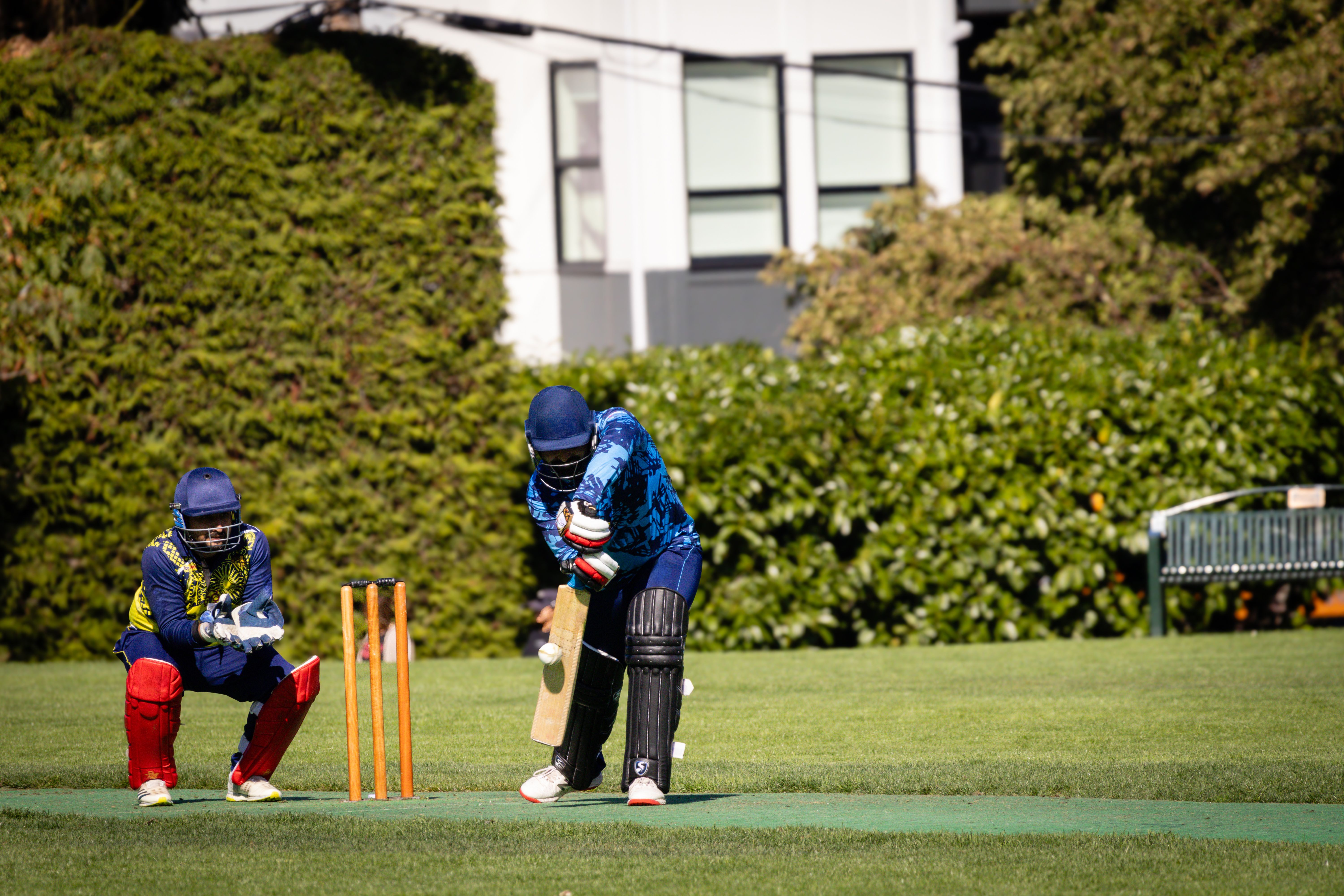
Cricket grounds are not symmetrical, and the difference between a short square boundary and a long one changes both field settings and batting plans materially.
The short side sets the risk
A boundary that is markedly shorter on one side means a mistimed shot in that direction can still clear the rope, while the same shot elsewhere is caught.
Batters therefore target the short side, particularly when accelerating, because it offers boundary returns for a lower quality of contact.
Captains respond by placing extra fielders there, which necessarily thins the coverage on the longer side and invites a different type of scoring.
Bowlers are asked to bowl one direction
The simplest defence against a short boundary is to make it hard to reach, which means bowling lines that force the batter to hit towards the longer side.
A bowler operating to a short leg-side boundary will aim wide outside off stump, accepting that the batter can score square on the off side over a longer distance.
Executing that consistently is difficult under pressure, and a delivery that strays onto the pads against this field is close to a free boundary.
Left and right-handers invert the problem
A field built to protect a short boundary for a right-hander protects the wrong side for a left-hander, since the leg side has swapped.
Every change of strike between a left and right-handed pair therefore requires a field adjustment, which costs time and creates opportunities for error.
Batting sides exploit this by pairing a left and right-hander deliberately and rotating strike often, forcing repeated reorganisation of the field.
Bowler selection follows the ground
Captains at grounds with a pronounced short side favour bowlers whose natural angle pushes the ball away from it, which often means selecting for handedness rather than quality alone.
A left-arm seamer to a right-handed batter naturally angles the ball across towards the off side, which suits a short leg-side boundary.
Spin selection follows the same logic, with the direction of turn chosen to make the short boundary the harder one to access.
Wind and altitude add another layer
A ball struck into a strong wind carries substantially less, so a nominally long boundary can play short when the wind is behind the batter.
Captains at exposed grounds check the wind direction before setting fields, and will protect the downwind side even when it is the longer boundary on paper.
The general principle is that the boundary that matters is the one the ball can actually reach, which is a function of conditions rather than the ground's measurements.


