Tennis
Why Coaches Rebuild A Swing In The Off-Season
Technical changes to a stroke are made between seasons because a rebuilt motion performs worse before it performs better, and competition offers no room for that decline.
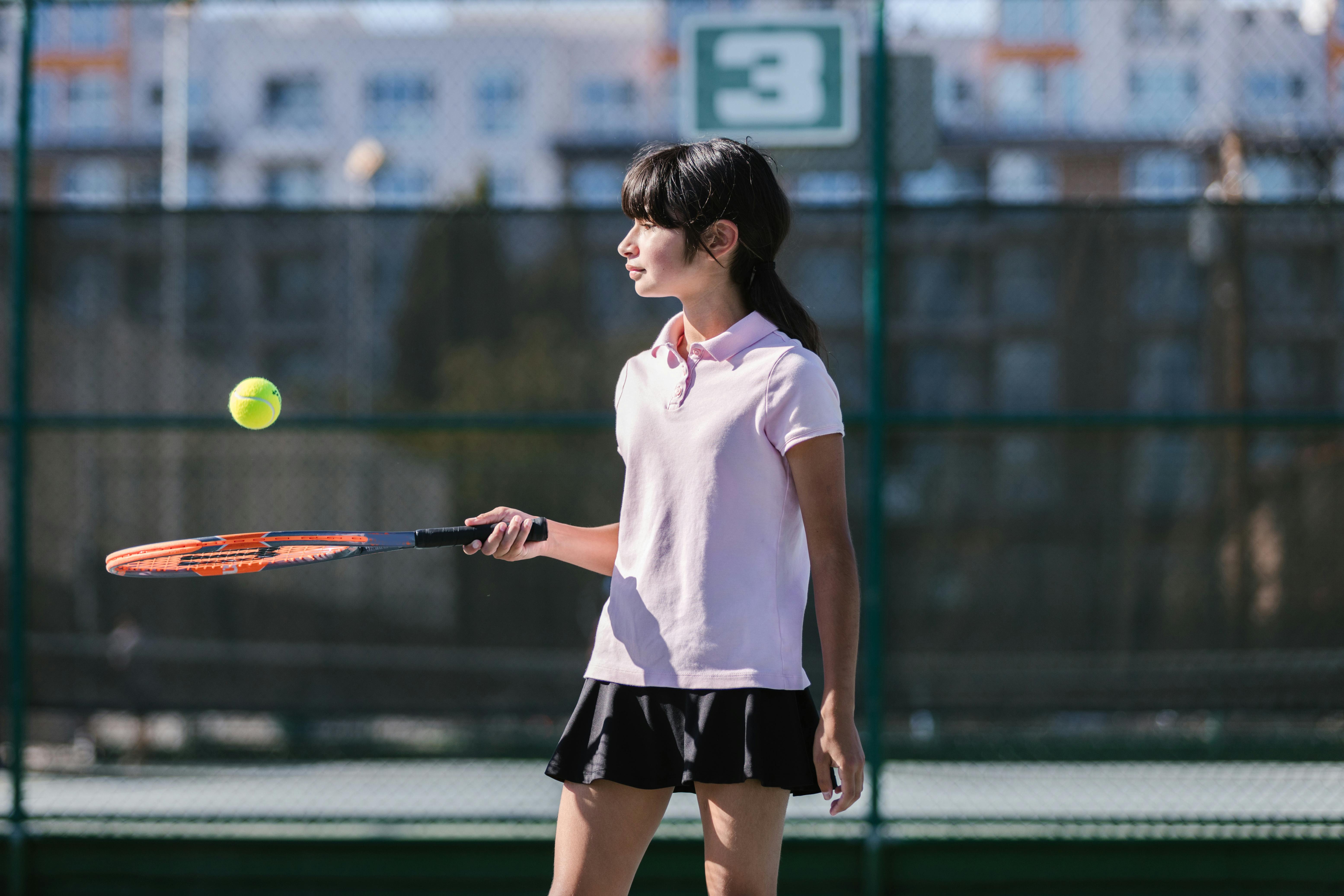
A player changing a grip or a swing path almost always does it between seasons. The timing reflects how motor learning works rather than a preference for convenience.
A new movement is temporarily worse
An established stroke is executed largely without conscious attention, with timing and adjustment handled automatically after years of repetition.
A modified stroke requires deliberate attention during execution, which slows the motion and disrupts the small corrections that produce consistency.
The result is a period where the new technique performs below the old one, even though its ceiling is higher. That period cannot be shortened by effort alone.
Competition prevents the change from settling
Under match pressure a player reverts to whatever is most automatic, which is the old pattern, so a partially learned change is abandoned exactly when it is being tested.
Worse, the reversion is inconsistent, producing a stroke that is sometimes old and sometimes new and reliably neither, which is less dependable than either version.
The off-season removes that pressure, allowing enough repetitions in low-stakes conditions for the new pattern to become the default response.
Changes propagate through the whole game
Altering a forehand grip changes the ideal contact point, which changes the footwork required to reach it, which changes the recovery position after the shot.
A coach making a technical change is therefore rebuilding a chain of movements, and the downstream elements often need explicit attention rather than adapting on their own.
This is why technical work is paired with movement drills rather than performed as isolated stroke repetition against a ball machine.
The reason for changing is usually structural
Players rarely rebuild a stroke because it is failing. More often the change addresses a limitation that will matter as the rest of the game develops.
A backhand that cannot handle high balls, or a serve motion that loads the shoulder awkwardly, becomes a constraint on everything else the player wants to do.
Coaches also make changes to reduce injury load, where the existing technique works but places stress on a joint that will not tolerate another decade of it.
Partial changes are often the sensible option
Rather than rebuilding a stroke, coaches frequently adjust a single element such as the take-back height or the stance, which produces a smaller gain for a much shorter disruption.
The decision depends on the player's age and schedule, since a player with many seasons ahead can absorb a long rebuild that an established professional cannot.
The judgement is about how much of a season a change will cost against how many seasons it will improve, which is why the same flaw is treated differently at different ages.


