Football
Why Corner Routines Now Start Outside The Box
Attacking teams increasingly begin corners with players grouped beyond the penalty area, using the run-up rather than the starting position to beat marking systems.
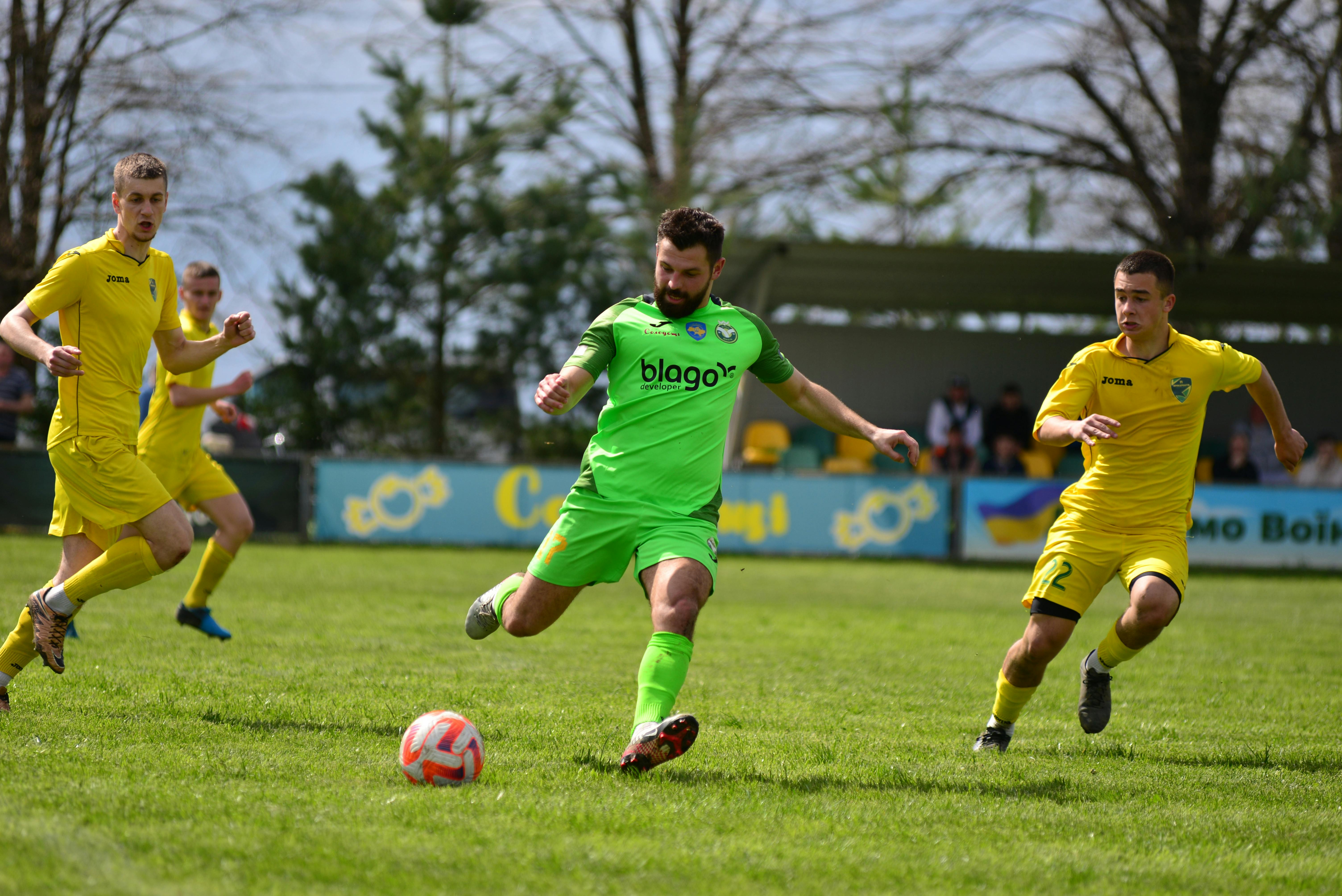
Corner routines used to begin with attackers already stationed in the six-yard box. Many now start with those players clustered outside the area entirely, and the change is deliberate.
Standing still favours the defender
A defender marking a stationary attacker has an easy job. He can position himself goal-side, watch the ball, and use his body to prevent the attacker moving into the space he wants.
The attacker's only advantage is knowing where the ball is going, and that advantage is small if he cannot generate momentum before contesting it.
Starting outside the box converts the contest into a race. The attacker arrives running while the defender must first turn and then accelerate from a standing position.
Clustering creates blocking opportunities
A group of four or five attackers packed together forces their markers into the same congested area, where movement is constrained and paths cross.
When the group breaks in different directions, defenders are obstructed by other bodies without any obvious foul being committed, which frees at least one attacker.
Officials scrutinise deliberate blocks, so teams design routines where the obstruction is incidental to a genuine run rather than a player standing in a defender's path.
Timing rather than height is the target
An attacker meeting a cross at the top of his jump while moving forward generates more contact force than a taller player jumping from a standstill.
The delivery is timed to that run rather than to a fixed spot, which is why the taker often waits for a signal instead of striking the ball immediately.
This shifts the important attribute from height to acceleration and timing, and explains why smaller players score a meaningful share of headed goals from corners.
Zonal defences are the specific target
A zonal wall stationed across the six-yard box handles balls delivered into its area very effectively, because each defender attacks the ball rather than tracking a runner.
Runs from deep attack the seams between zones and the area just behind the wall, where responsibility is ambiguous and no defender has clear ownership.
Defences counter by adding man-markers to track the deepest runners, which reduces the zonal wall and reopens the areas it was protecting.
Short corners are part of the same idea
A short corner drags one or two defenders out of the box, reducing the number of bodies defending the eventual delivery and changing the angle it arrives from.
Teams often use the short option not to create an immediate chance but to reset the defensive structure into a shape their main routine is designed to attack.
The decision is usually taken by the taker reading how many defenders step out, which is why so many corners now begin with a pause and a look.


